

Online courses in Pakistan.
Waqaram is Pakistan's digital marketplace for online courses. Buy Urdu and English courses in freelancing, Amazon FBA, development, design, marketing and exam prep from Rs 499, pay with JazzCash, Easypaisa, Raast or card, and get instant access - every purchase escrow-protected until delivery is confirmed.

Quick answer
Rs 499 - 9,999
Typical PKR price band for courses on Waqaram.
JazzCash & Easypaisa
Plus Raast and card - no international payment workarounds.
Instant access
Download links or hosted video links delivered on payment.
Escrow protected
Refund if the course is missing or misrepresented.
The course categories Pakistani learners actually buy.

Freelancing & Fiverr/Upwork
Profile setup, gig writing, client acquisition: the highest-demand course category in Pakistan.
Explore category
Amazon FBA & e-commerce
Product research, sourcing from China, PPC: taught by sellers already running PK-based stores.
Explore category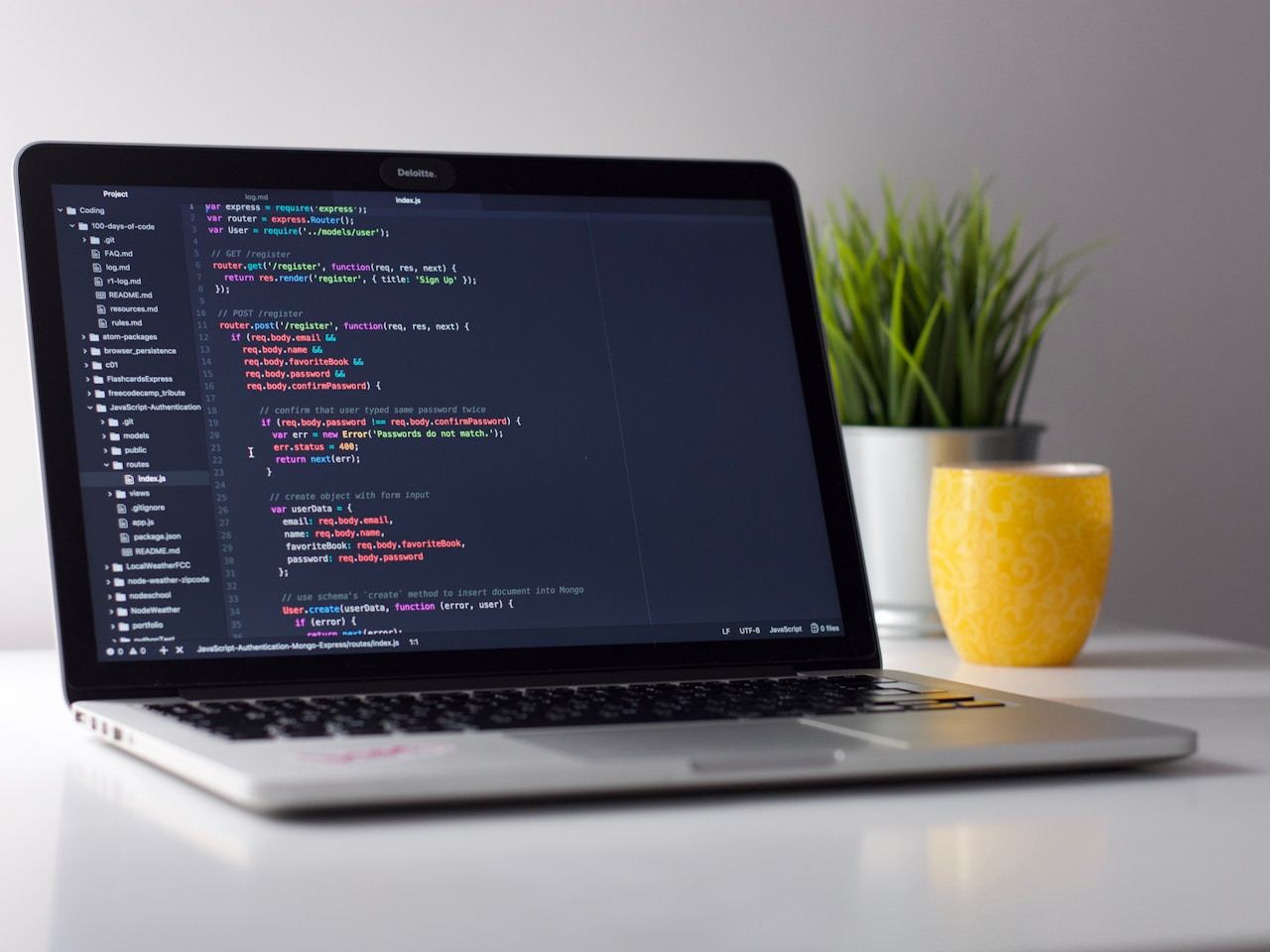
Web & app development
React, WordPress, Flutter and Python courses with Urdu-first explanations.
Explore category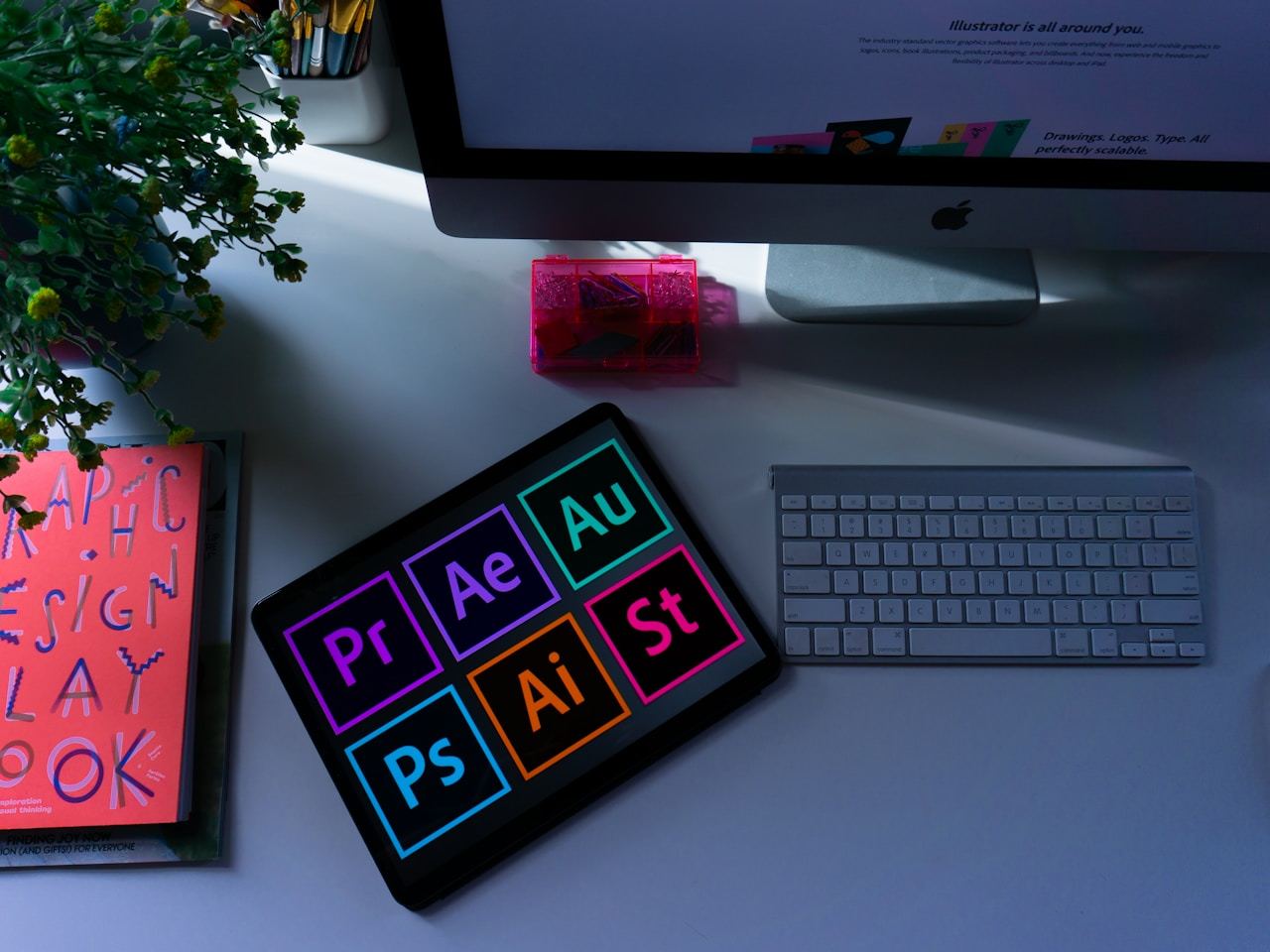
Graphic design & video editing
Canva, Photoshop, Premiere Pro and CapCut: project-based, portfolio-ready.
Explore category
Digital marketing & SEO
Meta ads, TikTok ads, SEO and local lead-gen for Pakistani businesses.
Explore category
Exam prep (CSS, MDCAT, FPSC)
Recorded lectures, notes bundles and past-paper walkthroughs from local tutors.
Explore categoryRelated guides
In-depth guides on earning online in Pakistan, freelancing, and selling digital products.
Frequently asked questions
Teaching something? Publish it.
One-time Rs 749 seller registration, then payouts to JazzCash, Easypaisa or Raast. Read the 2026 seller guide or start on selling digital products in Pakistan.
Online courses built for Pakistani learners
Courses on Waqaram are one-time purchases in rupees, not subscriptions. You buy the course, it stays in your library, and you learn at your own pace. This guide explains how to choose one, what a good course contains, and how to teach on the platform yourself. To sell a course, start with the seller handbook.
Why one-time course pricing suits this market
International learning platforms sell monthly access, which assumes a learner who consumes continuously and can maintain an international card subscription. Neither assumption holds for most Pakistani learners.
A single purchase in PKR removes both problems: no recurring charge to cancel, no card required, and no pressure to finish before the billing date. If you buy an Urdu-language freelancing course today, it is still yours in two years, including any updates the instructor publishes.
What subjects actually sell here
Demand concentrates around income-generating and exam-critical skills, which is a rational response to what learners need from a paid course.
- Freelancing: Upwork and Fiverr positioning, proposal writing, client communication and getting paid from Pakistan.
- Digital marketing: Meta ads, TikTok growth, SEO and email marketing taught with local budgets and local case studies.
- Design and video: Canva, Photoshop, Premiere and CapCut for creators building a portfolio quickly.
- Development: web fundamentals, WordPress, React and no-code tools aimed at first paid projects rather than certifications.
- Exam preparation: CSS, PPSC, FPSC, NTS and university subjects, usually paired with downloadable notes.
- Business: ecommerce operations, dropshipping realities, bookkeeping and small business tax basics.
How to judge a course before you buy
Every course listing publishes the curriculum, total runtime, teaching language, instructor profile and buyer reviews before you pay. Use them.
Check the language explicitly
Urdu, English and mixed-language courses all exist here, and the listing states which one applies. For technical subjects, many learners retain more from Urdu explanation with English terminology, so pick deliberately rather than defaulting.
Read the curriculum, not the promise
A trustworthy curriculum names specific outcomes per module. Vague module titles like Advanced Strategies usually indicate thin content padded to look substantial.
Look at what is downloadable
The best courses ship working assets alongside the video: templates, checklists, scripts and proposal examples. Those are what you actually use after the lessons finish.
What you get with every course purchase
Access is permanent and tied to your account, not to a device. Instructors can push updated lessons and revised resources, and existing buyers receive them at no additional cost.
Purchases are covered by the same escrow and dispute protection as any other product. If a course does not match its listed curriculum, you can open a dispute from your order page under the refund policy.
Teaching on Waqaram: what a first course needs
You do not need a studio. A quiet room, a decent microphone and screen recording software produce courses that sell well here, provided the teaching itself is structured.
Plan modules around outcomes rather than topics. A module called Write a proposal that gets replies is worth more than one called Proposal theory. Keep individual lessons under twelve minutes, and finish each module with something the learner produces.
Price a first course between Rs 1,999 and Rs 4,999 depending on depth, and include the downloadable assets in that price. Payouts follow the standard schedule to JazzCash, Easypaisa or Raast, and the fee structure is on the pricing page.
Pairing courses with other products
The strongest instructor catalogues are not a single course. They are a course plus the templates it teaches you to use, plus a reference ebook, sold separately and bundled together.
Browse all categories to see how established sellers structure that ladder, and read digital product ideas for Pakistani creators for validated combinations.
How to choose a course that is worth your money
The Pakistani online-learning market is full of recycled material, so it pays to judge a listing on evidence rather than promises. Four signals separate a course that changes your income from one that fills an evening: a stated outcome you can verify, a visible curriculum with lesson counts and durations, reviews written by buyers who describe what they did afterwards, and an instructor who is demonstrably doing the thing they teach.
Be sceptical of any listing that leads with earnings claims and hides the syllabus. A genuine freelancing course will tell you how many hours of video it contains, what software you need, whether the material is in Urdu or English, and what you are expected to know before you start. If none of that is on the page, the seller is asking you to buy on faith.
Price is a weak signal on its own. A Rs 1,999 course with sixty lessons and no structure is worse value than a Rs 4,999 course that gets you to a first paid client. Judge the ratio of outcome to price, not the number by itself.
- Check the preview: most serious instructors publish a free lesson or a sample module before asking for payment.
- Read the three-star reviews before the five-star ones. They describe the real gaps.
- Confirm the language. Urdu-first teaching consistently produces better completion rates for domestic learners.
- Look for updated dates. A 2023 Amazon or freelancing course can be materially out of date.
- Prefer instructors who answer questions on their listing, because that is the support you get after buying.
Finishing what you start
Completion, not purchase, is where the return on a course lives, and the drop-off in online learning is severe everywhere in the world. The fix is unglamorous: schedule the learning like an appointment, work through one module at a time, and produce something after every module rather than watching straight through.
If the course teaches a sellable skill, apply it immediately by building a small deliverable you could charge for. A freelancer who finishes a design course with three portfolio pieces is employable; one who finishes with notes is not. Many Waqaram learners go on to package what they learned into their own listing, which is the shortest path from paying for education to earning from it. The seller guide explains that transition, and freelance digital products in Pakistan covers how service work becomes a product.
Set a completion deadline before you buy, not after. Two focused hours a week finishes most courses in the catalogue inside a month, and a date on a calendar converts an intention into a habit. Learners who tell one other person what they are studying, and when they expect to finish, complete at noticeably higher rates than those who study privately, because a small amount of accountability outperforms a large amount of motivation. If a course turns out to be wrong for you, say so in a review and move on quickly rather than paying for it twice in time.
Frequently asked questions
No. Every course is a one-time purchase in PKR with permanent access from your account library, including any updates the instructor publishes later.
Both. Each listing states the teaching language, and many technical courses use Urdu explanation with English terminology.
Certificates depend on the instructor. Where one is offered it is stated on the course listing, so check before buying if a certificate matters to you.
Yes. Course payments sit in escrow like any other purchase, so you can open a dispute from your order page if the delivered curriculum does not match the listing.
Seller registration is a Rs 749 one-time fee, with your first 3 courses included, or a one-time Rs 649 lifetime upgrade for unlimited listings. There are no hosting or recurring charges, and the 9.3% commission is only deducted when a learner buys.
A quiet room, a clear microphone and screen recording software are enough. Structure and clarity matter more to Pakistani learners than production polish.