
Freelancer in Pakistan: The 2026 Guide to Getting Paid
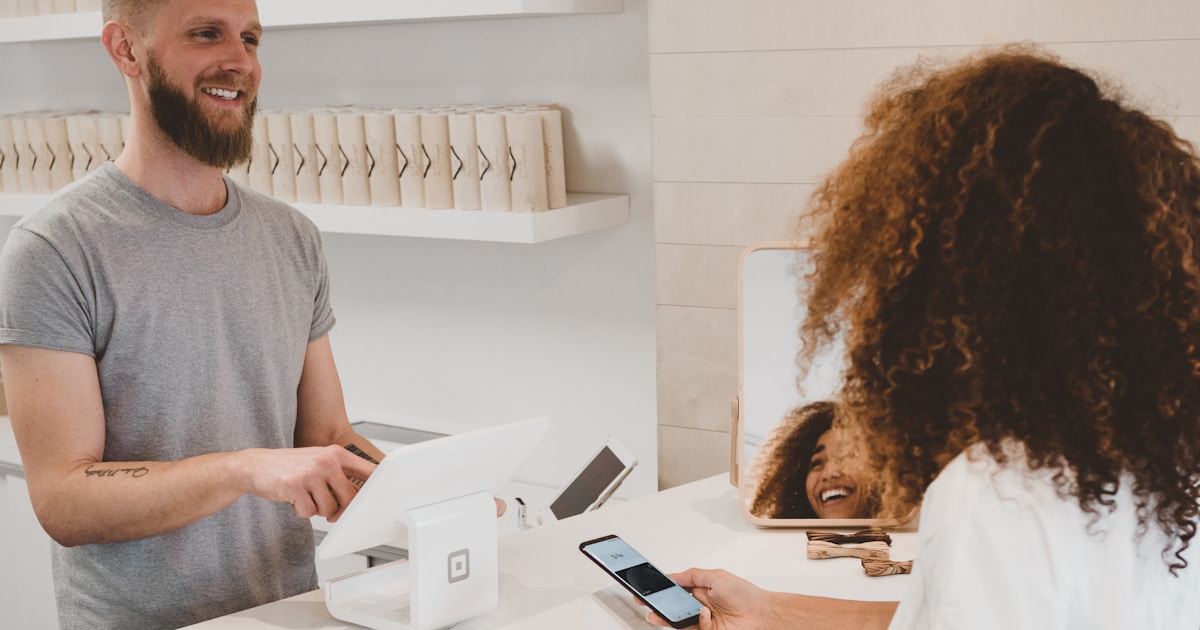
Freelancing is the most proven way to earn in dollars while living in Pakistan. No shop, no inventory, no boss. A laptop, a skill, and a way to get paid. The skill part gets all the attention, but the part that stops most beginners is not the work, it is the money: how do you get paid from a client in another country, and how does that money become rupees in your JazzCash or bank account? This guide answers both, step by step.
1. What freelancing in Pakistan looks like in 2026
A freelancer in Pakistan usually works through one of three channels: marketplaces like Fiverr and Upwork, direct clients found through LinkedIn, referrals and social media, or a mix of both. Marketplaces bring the clients to you and handle the payment flow, but take a cut and control the relationship. Direct clients pay better and come back more often, but you have to find them and chase payment yourself.
The work itself is the same work clients buy everywhere: design, writing, video editing, coding, data work, marketing, and virtual assistance. The difference is the payment route. A freelancer in Lahore or Karachi cannot receive PayPal, so the whole business runs on Payoneer, direct bank transfer, and the JazzCash link that connects the two. Understand that route before you take your first order and you will never lose a payment to a method that does not work here.
2. Skills that actually get hired
Clients do not hire a skill, they hire an outcome. The skills below get hired because each one solves a specific, repeatable problem for a business. Pick one, get good enough to show three strong samples, and start bidding. Do not try to learn five skills at once.
Graphic design and Canva
Social media posts, logos, thumbnails, and presentation decks. Fast to learn, endless demand, and every sample doubles as a product you can later sell as a template.
Video editing
Short-form video for TikTok, Reels and YouTube. Editors who can cut a clean 60-second video with captions are hired constantly by creators and small brands.
Writing and content
Blog posts, product descriptions, scripts, and ad copy. Strong English matters more than a degree, and a small portfolio of published work beats a CV.
Web and WordPress work
Setting up sites, fixing themes, and building landing pages. Small businesses everywhere need this and pay per project rather than per hour.
Virtual assistance and data work
Inbox management, research, data entry, and spreadsheets. The lowest barrier to entry, and a good first step while you build a harder skill.
3. Fiverr vs Upwork vs direct clients
Beginners usually start on Fiverr because it is the easiest place to get a first order: buyers come to you, the gig format is simple, and a good first review unlocks the next ten. Upwork takes longer to crack because you bid against experienced freelancers, but its clients tend to be larger, pay more, and hire for months rather than single gigs.
Direct clients are the endgame. A client you found yourself pays your full rate with no marketplace cut, and a happy direct client refers the next one. The catch is that you handle everything: finding them, agreeing the scope, and getting paid. Most successful Pakistani freelancers run all three at once, using marketplaces for steady volume and direct clients for the best rates.
| Channel | How you get work | Typical trade-off | Getting paid |
|---|---|---|---|
| Fiverr | Buyers find your gig | Easiest first order, marketplace cut | Payoneer or bank transfer |
| Upwork | You bid on posted jobs | Bigger clients, harder to start | Payoneer or direct to local bank |
| Direct clients | Outreach and referrals | Best rates, you chase payment | Payoneer, bank transfer or Wise |
| Waqaram products | Buyers find your listing | Passive income after the build | JazzCash, Easypaisa, Raast, bank |
4. Getting paid: Payoneer, JazzCash and your bank
This is the section most guides rush past, and it is the one that decides whether freelancing actually pays your bills. PayPal does not receive payments in Pakistan, so do not build your business on it. The route that works for almost every Pakistani freelancer is Payoneer. Fiverr and Upwork both pay out to Payoneer, and Payoneer has partnered with JazzCash so you can link the two inside the JazzCash app and move funds straight into your mobile wallet.
JazzCash lists the terms plainly: Payoneer charges a standard 3% fee on withdrawals, JazzCash charges no fee for receiving from Payoneer, the minimum withdrawal is $5, and you get 2 free ATM withdrawals in the month you receive a freelance payment. Keep your legal name identical on both accounts, because a spelling mismatch is the most common reason a link fails. For larger amounts, withdrawing from Payoneer to a local bank account is usually cheaper than the wallet route, so check both before you move a big payment.
Wise is the other name every freelancer hears, and the honest position is mixed. Wise does not issue USD account details to Pakistan residents, and a Pakistan-registered Wise account cannot hold balances, so you cannot receive into Wise the way a freelancer in London can. What does work is a client abroad sending money through Wise directly to your personal Pakistani bank account in PKR. And for direct clients paying by invoice, a bank wire into a freelancer account remains the most straightforward route of all: give the client your IBAN, confirm with your bank that the account accepts inward remittances, and keep the payment advice for your records.
5. Setting rates that work in dollars and rupees
Price in dollars, think in rupees. Your clients compare you with freelancers worldwide, so a dollar rate is the language of the marketplace. But your rent, your groceries and your internet bill are all in rupees, so convert every rate back to PKR before you accept it. A $50 project that takes you ten hours is not a $50 project, it is five dollars an hour, and you should know whether that is worth your week.
Start low enough to win the first five orders and get reviews, then raise your rate with every ten completed orders. Never compete on being the cheapest freelancer on the platform: there is always someone cheaper, and the clients who choose purely on price are the ones who demand the most and pay the latest. Compete on clear samples, fast replies, and delivery on the day you promised.
6. A profile that wins orders
Your profile is your shop window, and buyers decide in seconds. Three strong samples beat thirty average ones. Show the finished work, not a description of it: a designed post, an edited video, a paragraph you wrote, a page you built. Write your gig or profile in the client's language, saying what you will deliver and by when, not listing every tool you have ever opened.
Reviews are the currency of marketplaces, so protect them fiercely. Reply fast, even if the reply is only to confirm you saw the message. Deliver a day early when you can. If a project is going wrong, say so before the deadline, not after it. One unhappy client with a one-star review costs more than the fee you saved by staying silent.
7. From client work to digital products
Every freelancer eventually hits the same ceiling: there are only so many hours in a week, and your income stops when you stop working. Digital products break that ceiling. The proposal template you write for every client, the onboarding checklist you reuse, the pricing calculator you built for yourself: each one is a product another freelancer will pay for. Package it once, list it once, and it sells while you sleep.
Waqaram is built for exactly this step. The marketplace already hosts 1,535 approved sellers and 2,438 active products across 16 categories, all priced in PKR with escrow on every sale and payouts to JazzCash, Easypaisa, Raast or your bank. Seller registration is Rs 499 during the Cyber Monday sale from Nov 24 to Nov 30, 2026, and Rs 749 from Dec 1, with 3 free listings included. Your freelance portfolio becomes your product catalogue, and your clients become your first buyers.
9. The first 90 days: a realistic timeline
Days 1 to 30 are for setup, not income. Pick one skill, build three samples, open your Fiverr or Upwork profile, and set up Payoneer and JazzCash so a payment has somewhere to land. Send ten proposals or publish three gigs. Expect silence, and keep going: the first month is the filter that removes everyone who wanted easy money.
Days 31 to 60 are for the first orders. Take small jobs, even ones that pay less than you want, because five honest reviews matter more than one well-paid job with no review. Deliver early, communicate clearly, and ask every satisfied client for a review the day you deliver. This is also when you learn your real pace: how long a job actually takes you, and what your hour is actually worth.
Days 61 to 90 are for raising rates and adding a second channel. Increase your prices by 20 to 30 percent and watch what happens: if orders keep coming, your old price was too low. Start your first digital product from the work you repeat most, and list it on Waqaram. By day 90 you should have reviews, a rate you can defend, and the beginning of income that does not depend on your hours.
8. Tax and paperwork, kept simple
Freelance income is taxable like any other income, but the paperwork is lighter than most beginners fear. Keep a record of every payment: the platform, the client, the amount in dollars, and the rupees you actually received. If your annual income stays under Rs 600,000 you are below the FBR income tax threshold. Above that, register for an NTN, which takes about 10 minutes on the IRIS portal, and speak to an accountant once your earnings become regular.
Use an account in your own name for every payout, keep your Payoneer and JazzCash names identical, and never accept payment through someone else's account. Clean records are also what a bank asks for when you want a freelancer account or a higher wallet limit, so the habit pays twice.
Photo: DERDAKI ILIAS, CC BY-SA, via Wikimedia Commons.
Frequently asked questions
How can I become a freelancer in Pakistan?
Pick one skill, build three strong samples, open a profile on Fiverr or Upwork, and set up Payoneer so you can get paid. Your first five reviews matter more than your first five dollars.
How do freelancers in Pakistan get paid?
Through Payoneer, which pays out from Fiverr and Upwork, then withdraw to JazzCash through the Payoneer link in the JazzCash app, or to a local bank account. PayPal does not receive payments in Pakistan.
What is the Payoneer to JazzCash fee?
Payoneer charges a standard 3% fee on withdrawals, JazzCash charges no fee for receiving from Payoneer, and the minimum withdrawal is $5.
Can I use Wise to receive freelance payments in Pakistan?
Not as a receiving account. Wise does not issue USD account details to Pakistan residents. A client abroad can send money through Wise directly to your personal Pakistani bank account in PKR.
Which freelance skill pays best in Pakistan?
It depends on your level, but design, video editing, writing, and web work all have steady demand. Pick the one you can already do well and build samples before you worry about rates.
Do freelancers pay tax in Pakistan?
Freelance income is taxable like any other income. Below Rs 600,000 a year you are under the FBR income tax threshold. Above that, register for an NTN on the IRIS portal and speak to an accountant.
Written by
Waqar Habib Khan
Writing for Waqaram on selling digital products, payments and growth in Pakistan.
Ready to sell your first digital product?
One-time Rs 749 seller registration fee. PKR payouts to JazzCash, Easypaisa, Raast or bank. Escrow on every sale.